

Considered colour, balanced proportions and a silhouette that feels composed through your working day.

Urban Moss · The Bespoke Atelier
Bespoke tailoring in Muscat, shaped around your proportions, your taste and the way you live.
A more personal way to dress
It starts with a conversation. The occasion. The way you move. The details you notice. Bespoke brings those choices together into a garment with a clear point of view: yours.
At Urban Moss, explore the cloth, shape the design and refine the fit with our team. From a first business suit to a wedding commission, every decision should feel considered.
Chosen for its feel, character and purpose.
Considered through proportion, balance and movement.
Expressed through the details that matter to you.
Fig. 01 · From idea to patternThe art of proportion
The cloth library
Explore the collection. Discover the weave. Compare genuine cloth photographs, one fabric at a time.
1,080 fabrics to explore
Searching explores every fabric house. Choose a house to browse its collections.
Cloth house
53 fabrics
Try a shorter reference or reset the filters.
This photograph could not load.
You can still discuss this fabric with our team.
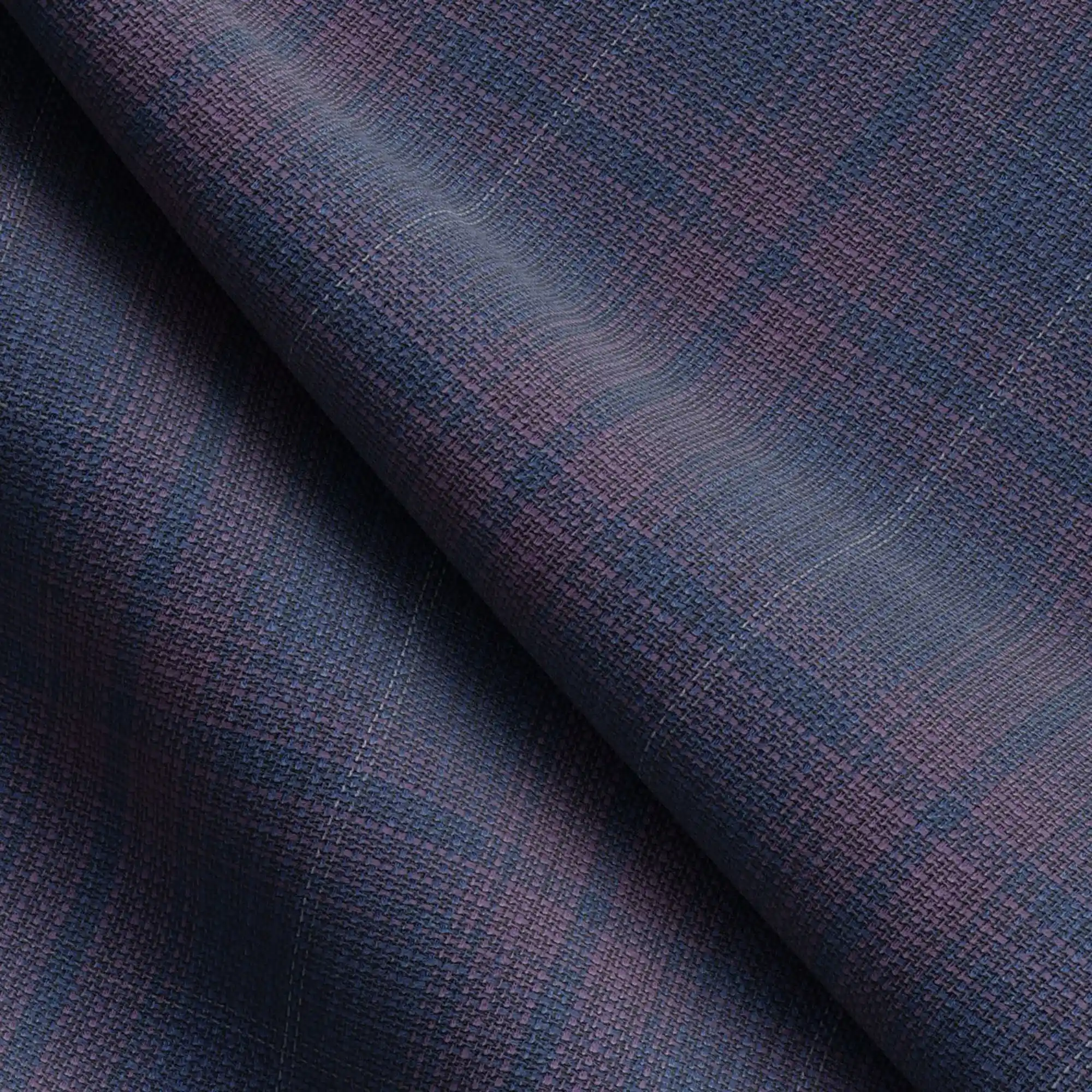
Fabric ref. 50.74.770/6
Reda 1865 · Milano Jacket · Vol. II
Compare the photographs and choose a cloth to discuss with our team.
Dress for your life
The purpose of a garment helps guide its cloth and cut. Start with where you want to wear it, then build a look that feels natural there.
Considered colour, balanced proportions and a silhouette that feels composed through your working day.

A personal commission shaped around the setting, the celebration and the details you will remember.

Explore a more defined silhouette, considered lapels and a finish suited to the occasion’s dress code.

Natural textures, easy proportions and separates that bring tailoring into a more informal wardrobe.
Reference looks from Urban Moss’s collection. Your bespoke cloth, cut and details are chosen during consultation.
Your signature is in the details
Explore three lapel shapes, then consider the decisions that give the rest of your garment its character. The drawing is a style guide; proportions are refined with your tailor.
Fig. 02 · The jacket studyNotch lapel
A versatile, quietly defined shape with a visible notch where the collar meets the lapel. Explore it for a business suit, a separate jacket or a considered everyday garment.
Single or double-breasted, with the closure and button arrangement considered as part of the silhouette.
Discuss how defined or relaxed you want the jacket to feel, along with the waist shape and overall balance.
Explore the look of flap, jetted or patch pockets, and how each relates to the garment’s formality.
A quiet tonal interior or a personal contrast. Discuss composition, colour and the lining treatment available.
Choose a tone and finish that belongs with the cloth. Consider placement and contrast alongside the jacket style.
Flat fronts or pleats, the preferred rise and leg line, and the balance between a clean hem and a fuller break.
Discuss belt loops or side-adjuster styling, and how you prefer your trousers to sit and feel through the day.
Ask about subtle personal touches, such as a lining choice or available embroidery, during the design conversation.

Beyond the measuring tape
A considered fit accounts for more than a set of numbers. Posture, movement, proportion and your preferred ease all belong in the conversation.
Assess how the garment follows your natural stance and sits around the neck and shoulders.
Consider shape alongside the room you need to sit, reach and move comfortably.
Review jacket and sleeve lengths as part of the whole silhouette, rather than as isolated details.
Discuss rise, seat, leg line and hem, ideally with the shoes you intend to wear.
The bespoke process · A to Z
Twelve stages, four chapters, one personal commission. Open a stage to see the decisions, checks and craft that move the garment forward.
A · Discover
Every commission starts with you: what you want to wear, where you will wear it and how you want to feel. Bring a reference image, a favourite garment or simply an idea. Together, we establish the direction before making any design decisions.
Look at the fabric in more than one way. Touch it, drape it and compare it in the light. Colour matters, but so do texture, weight and composition. The selected cloth should support the purpose of your garment and the way you intend to use it.
Turn the first idea into a coherent design. Jacket style, lapel shape, pockets, lining and trouser details are considered together. A restrained detail can be just as personal as a bold one; the aim is a garment whose proportions and character feel like you.
B · Define
Measurements describe size; posture and movement help explain fit. The tailor considers the balance of the shoulders, chest, waist, arms and trousers, along with your natural stance and the ease you prefer. These observations guide the garment’s proportions.
The chosen design and fitting information are translated into pattern preparation and a cutting plan. The tailor considers the shape of the pieces, the cloth’s grain and how a stripe or check will sit across the finished garment. Careful preparation establishes the direction for everything that follows.
The cutting table is where the cloth begins to become a garment. Pieces are laid out and marked, with attention to the weave, pattern placement and the room needed for fitting adjustments. Once the cutting plan is ready, the pieces are cut and prepared for assembly.
C · Refine
The separate pieces are brought together so the garment can be assessed on the body. Early assembly makes the intended silhouette visible and gives the tailor a practical starting point for the fitting. The appearance at this stage is part of the working process, rather than the final finish.
Now the garment is assessed on you. The tailor checks balance, length, movement and the way the cloth hangs. You can explain what feels comfortable and what you would like to refine. This conversation between the wearer and the garment is central to the fitting process.
Observations from the fitting guide the next round of work. Shape and proportion are refined, and the garment progresses toward its chosen finish. Adjustments are considered as a whole: a change in one area can affect the way another area sits or moves.
D · Complete
A follow-up fitting allows the refinements to be assessed as the garment approaches completion. The tailor checks the details against your natural stance and intended use. The number and sequence of fittings depend on the garment and the work required; your schedule is discussed during consultation.
The final character emerges through the finish. Buttons, buttonholes, lining, seams and edges are reviewed, then pressing helps establish the garment’s intended shape. The details are assessed together so the finished piece feels considered from the inside as well as the outside.
The completed garment is tried on and reviewed with you. Fit, comfort and the agreed details are checked once more. You leave with guidance on wearing, hanging and caring for the garment, along with an understanding of how to discuss future fit changes with the team.
The sequence and number of fittings may vary with the garment, construction and refinements required. Your schedule is discussed before the commission begins.
The finishing chapter
A considered garment rewards a closer look. The relationship between cloth, buttons, interior and finishing gives the completed piece its character.
The finish should feel coherent with the chosen cloth and garment style.
Placement, tone and proportion are small decisions with a visible effect.
Lining and internal details bring another personal dimension to the garment.
Pressing brings the intended shape and finish into focus before handover.
Fig. 03 · Cloth, thread and the art of finishing.
Beyond the final fitting
Good habits help your tailoring keep its shape and character. Follow the garment’s care instructions and ask our team about care for your selected cloth.
Use a suitable jacket hanger and avoid crowding the garment in your wardrobe. Let it air and rest between wears, following the care guidance for its cloth.
Follow the care label and use a suitable professional cleaner when needed. If you are unsure about a mark or the fabric’s finish, ask before treating it yourself.
If your proportions or preferences change, speak with the team about the garment. The cloth, construction and available seam allowance determine what can be adjusted.
Before your first visit
Bring your ideas. We will help you turn them into a considered direction.
Speak with our teamBring a few reference images, a favourite garment if it helps explain your preferences, and details of the occasion. For fittings, the shirt and shoes you intend to wear can help the tailor assess the overall proportions.
Yes. The listed selections include multiple varieties. Browse the available cloth books with our team and compare colour, pattern, composition, weight and feel. Specific shades, cloth references and availability are confirmed in store.
Timing depends on the chosen cloth, garment, construction and fitting schedule. Share any wedding or event date at the first conversation. The team will confirm a realistic schedule before work begins.
The number of fittings depends on the garment and the refinements required. Your tailor will explain the intended sequence and arrange follow-up fittings as needed; a fixed count is not assumed for every commission.
Your quote reflects the selected cloth, garment type, construction and chosen details. Discuss your budget during consultation and confirm the final specification and price before the commission begins.
Absolutely. A reference is a useful starting point for discussing proportions, lapels, colour and overall character. The design is then considered in relation to your preferences, the cloth and the fit you want.
Discuss where and when you will wear the garment, including time spent indoors and outdoors. Compare the available cloths by weight, weave, composition and handle. The team can help you assess the options against your intended use.
Tell us about the event, dress code and the pieces you have in mind. A suit, separate jacket, trousers or a wider wardrobe can be discussed together so the cloth choices and proportions work coherently.
Possible adjustments depend on the cloth, construction, garment condition and available allowance. Bring the piece in for an assessment before assuming a particular alteration can be made.
Your next signature piece
Choose a starting point for your commission, or visit us to explore the cloth in person. You do not need every detail decided before your first conversation.
Urban MossM Floor · Muscat Grand Mall · Muscat
Contact the store


